Keeping your home clean may seem simple, but many people unknowingly make cleaning mistakes that waste time, damage surfaces, or even spread more germs. Understanding these common errors can help you clean more effectively, protect your home, and achieve better results with less effort.
Using Too Much Cleaning Product
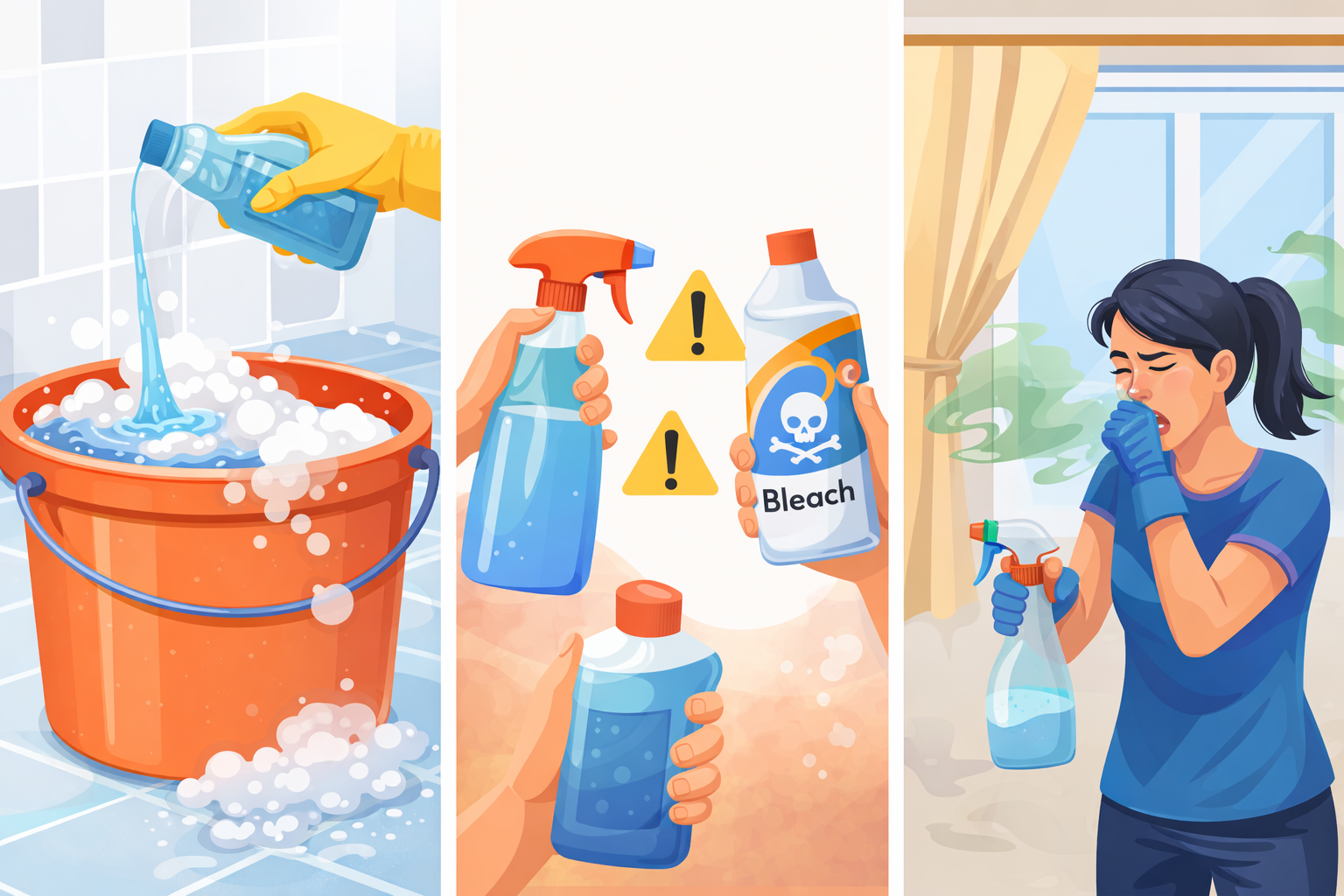
One of the most common cleaning mistakes is assuming that more product means better cleaning. In reality, excess detergent or cleaner often leaves sticky residue that attracts dust and dirt faster. It can also be difficult to rinse away, especially on floors and countertops. Always follow the recommended amount on the product label to get the best results.
Cleaning in the Wrong Order
Cleaning randomly from one spot to another can undo your hard work. For example, vacuuming the floor before dusting shelves causes dirt to fall back onto clean surfaces. A more effective approach is to clean from top to bottom, starting with shelves, cabinets, and light fixtures, then finishing with floors.
Using the Same Cloth for Every Surface
Reusing one cloth throughout the house spreads bacteria from one area to another, especially between bathrooms, kitchens, and living spaces. This increases the risk of cross-contamination. It’s best to use separate cloths for different areas or wash and disinfect them frequently during cleaning.
Ignoring High-Touch Areas
Many people focus on visible dirt and forget about frequently touched surfaces such as door handles, light switches, remote controls, and faucet handles. These areas can harbor a large number of germs and should be cleaned and disinfected regularly to maintain a healthier home.
Not Letting Cleaners Sit Long Enough
Spraying a cleaner and wiping it away immediately reduces its effectiveness. Most disinfectants and degreasers need time to break down dirt and kill bacteria. Allowing the product to sit for the recommended time, usually a few minutes, ensures proper cleaning and disinfection.
Mixing Cleaning Products
Combining different cleaning products may seem like a way to boost cleaning power, but it can be dangerous. Mixing certain chemicals, such as bleach and ammonia, creates toxic fumes that can cause serious health problems. Always use one product at a time and never mix cleaners unless the label clearly states it is safe.
Using the Wrong Tools for the Job
Using abrasive sponges on delicate surfaces like glass, stainless steel, or non-stick coatings can cause scratches and permanent damage. Each surface requires the right tool, whether it’s a microfiber cloth, soft sponge, or specialized brush. Choosing the correct tools helps protect surfaces and improves cleaning efficiency.
Skipping Regular Maintenance Cleaning
Waiting until dirt and grime build up makes cleaning harder and more time-consuming. Regular light cleaning prevents stains, odors, and bacteria from becoming serious problems. Establishing a simple cleaning routine helps maintain cleanliness with less effort over time.
Forgetting to Clean Cleaning Tools
Sponges, mops, and vacuum filters can become dirty quickly and spread germs if not cleaned properly. Using dirty tools defeats the purpose of cleaning. Wash sponges frequently, rinse mops thoroughly after use, and clean or replace vacuum filters as recommended.
Overlooking Ventilation While Cleaning
Cleaning in closed spaces without proper ventilation exposes you to strong chemical fumes that can irritate the eyes, lungs, and skin. Opening windows or using exhaust fans while cleaning improves air quality and makes the process safer and more comfortable.
Rushing the Cleaning Process
Trying to finish cleaning as quickly as possible often leads to missed spots and poor results. Taking your time allows you to clean thoroughly and reduces the need to redo tasks later. A focused, steady approach is more effective than rushing through the process.
Final Thoughts
Avoiding these common cleaning mistakes can make a noticeable difference in how clean and healthy your home feels. By using the right products, tools, and techniques, you can clean more efficiently, protect your surfaces, and maintain a safer living environment with less effort.
